Why storage matters
Most damage to fine jewelry happens when it is not being worn. Pieces tossed together in a dish or drawer rub against each other every time the drawer opens. A diamond, at 10 on the Mohs scale, will scratch gold, sapphires and other diamonds. Gold, which is much softer, picks up fine scratches from almost anything harder than itself, including other gold pieces.
Fine chains are the other common casualty. Loose chains find each other and form knots that can take an hour to undo and can kink or stretch links. Good storage prevents both problems and makes it easier to see and choose what you own.
Give every piece its own space
The principle is simple: nothing should touch anything else. A jewelry box with fabric-lined compartments is ideal. If you do not have one, individual soft pouches work well, as do small lined trays inside a drawer.
- Rings: in ring rolls or slotted trays, so each sits upright on its own.
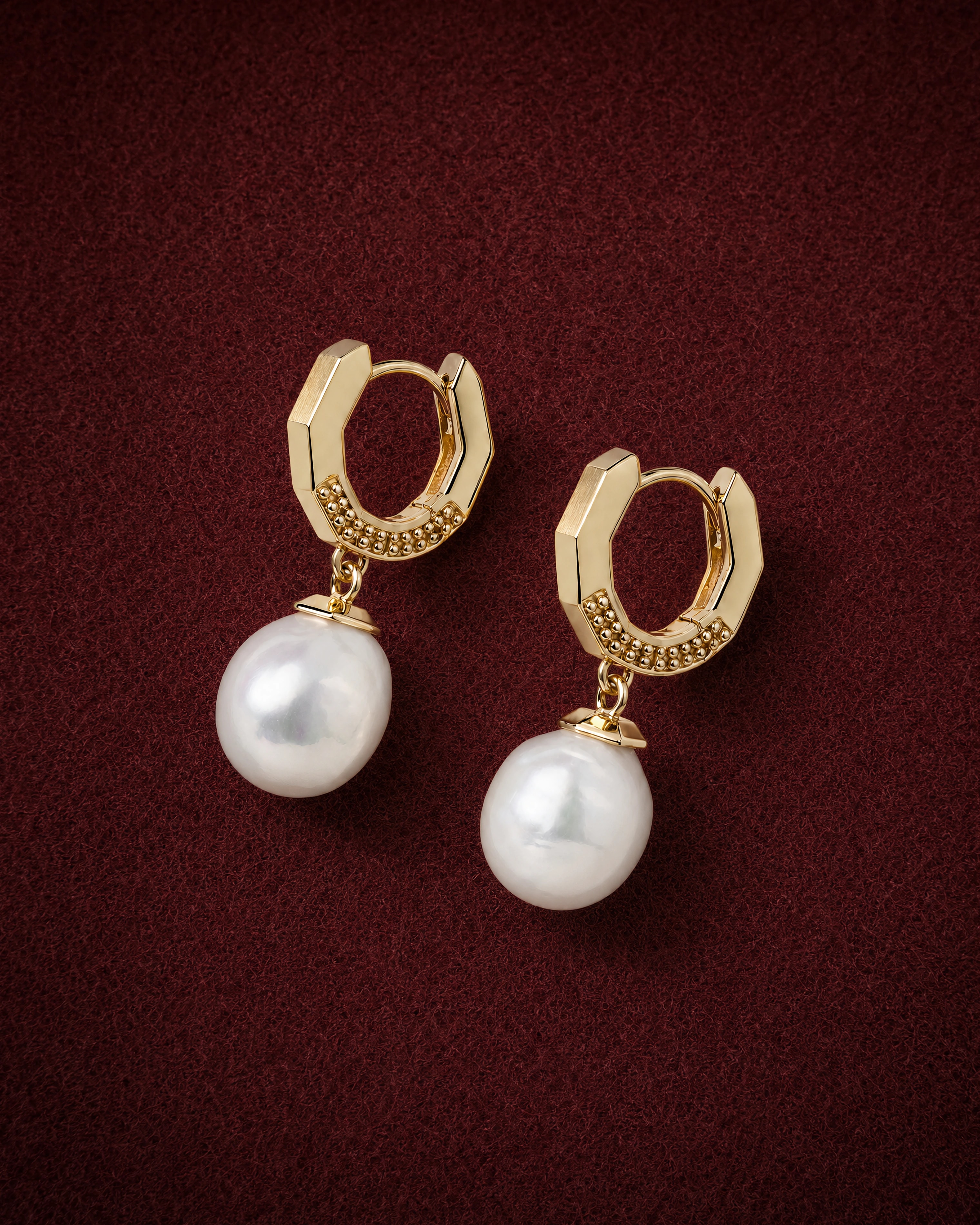
- Earrings: in pairs, in small compartments or on a card so studs and backs stay together.
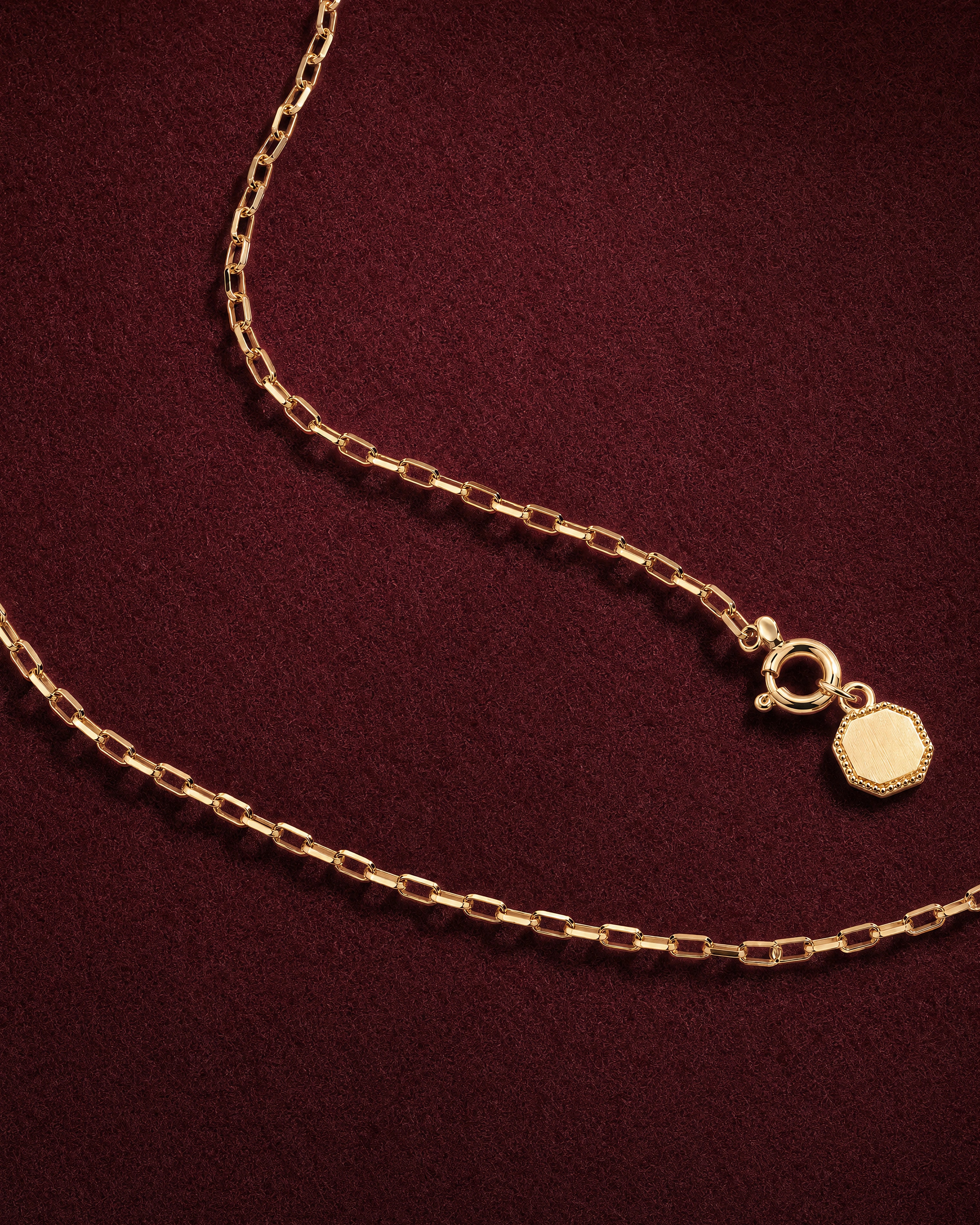
- Chains and pendants: hung on hooks or laid flat in long compartments.
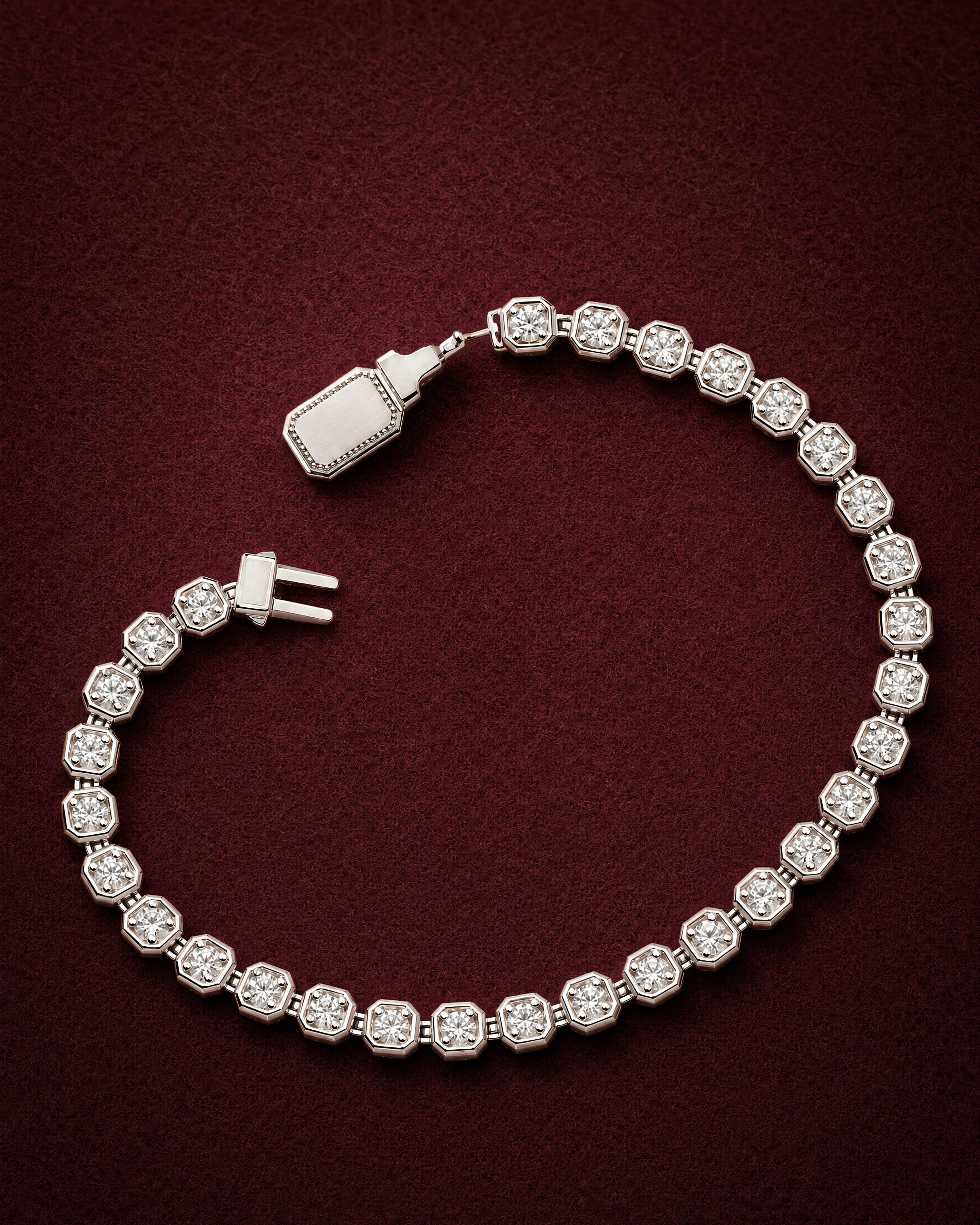
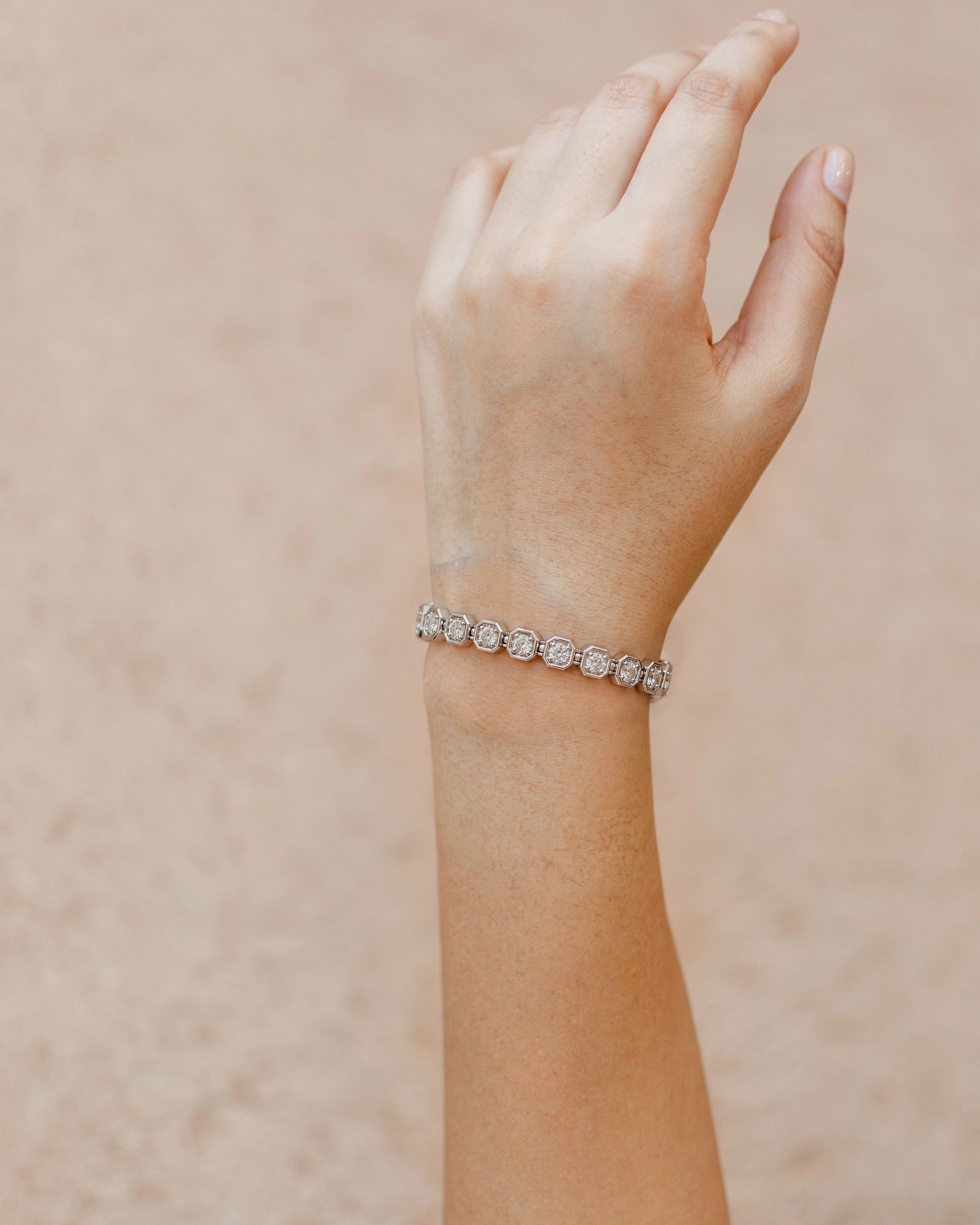
- Bracelets: flat, with clasps fastened. Cuffs can stand on their edge.
- Stone-set pieces: never stacked on top of other pieces.
Chains without tangles
Fasten the clasp of every necklace and bracelet before you put it away. A closed chain cannot thread itself through other chains. Then either hang it from a hook so it falls straight, or lay it out flat in a long compartment.
For a fine chain that tangles often, thread one end through a drinking straw and fasten the clasp around the outside. This keeps the chain straight and is especially useful for travel. If a chain does knot, lay it on a flat surface and use two pins to loosen the knot gently from the center. Do not pull on the ends, which tightens it.
Pearls and emeralds need extra care
Pearls are organic and contain a small amount of water. Sealed plastic bags and airtight containers can dry them out over time, and very dry or hot places can cause the surface to crack. Store pearls flat in a soft fabric pouch, separate from other jewelry, and away from radiators, windowsills and direct sun. Hanging pearl strands for long periods can stretch the silk they are strung on.
Emeralds are usually treated with oil to make natural fractures less visible. Heat and very dry conditions can affect that treatment, so keep emeralds out of hot cars, away from heaters and out of direct sun, and store them where they will not be knocked.
Where to keep your jewelry box
Bathrooms are the most common place to keep jewelry and one of the worst. Steam and humidity, along with hairspray, perfume and cleaning products, settle on metal and stones. A bedroom drawer or a shelf in a closet is a better choice.
Solid 14k and 18k gold does not tarnish the way silver does, but the alloy metals in gold can discolor slightly in humid conditions over long periods. A dry, dark, cool place keeps pieces looking as they did when you put them away. A sachet of silica gel in the box is an easy way to absorb moisture. Keep it out of the pearl pouch, though, since pearls should not dry out.
A travel routine
Travel is when jewelry is most often lost, so keep the routine simple and repeatable.
- Bring only what you will wear, and decide before you pack.
- Use a padded travel case with separate sections, or a soft pouch for each piece.
- Fasten chains and thread fine ones through a straw.
- Pack fine jewelry in your carry-on bag, never in checked luggage.
- Use the room safe, and take rings off before swimming in pools or the sea.
- Photograph what you pack so you can check it before you leave.
Keep records with your jewelry
Storage is also about paperwork. Keep receipts, grading reports and warranty details in one place, along with a clear photograph of each significant piece. If a piece is lost or damaged, these make insurance claims and repairs far simpler. For diamonds of 0.50 ct and above, VÉRA includes a GIA grading report, which you should keep with your other documents.
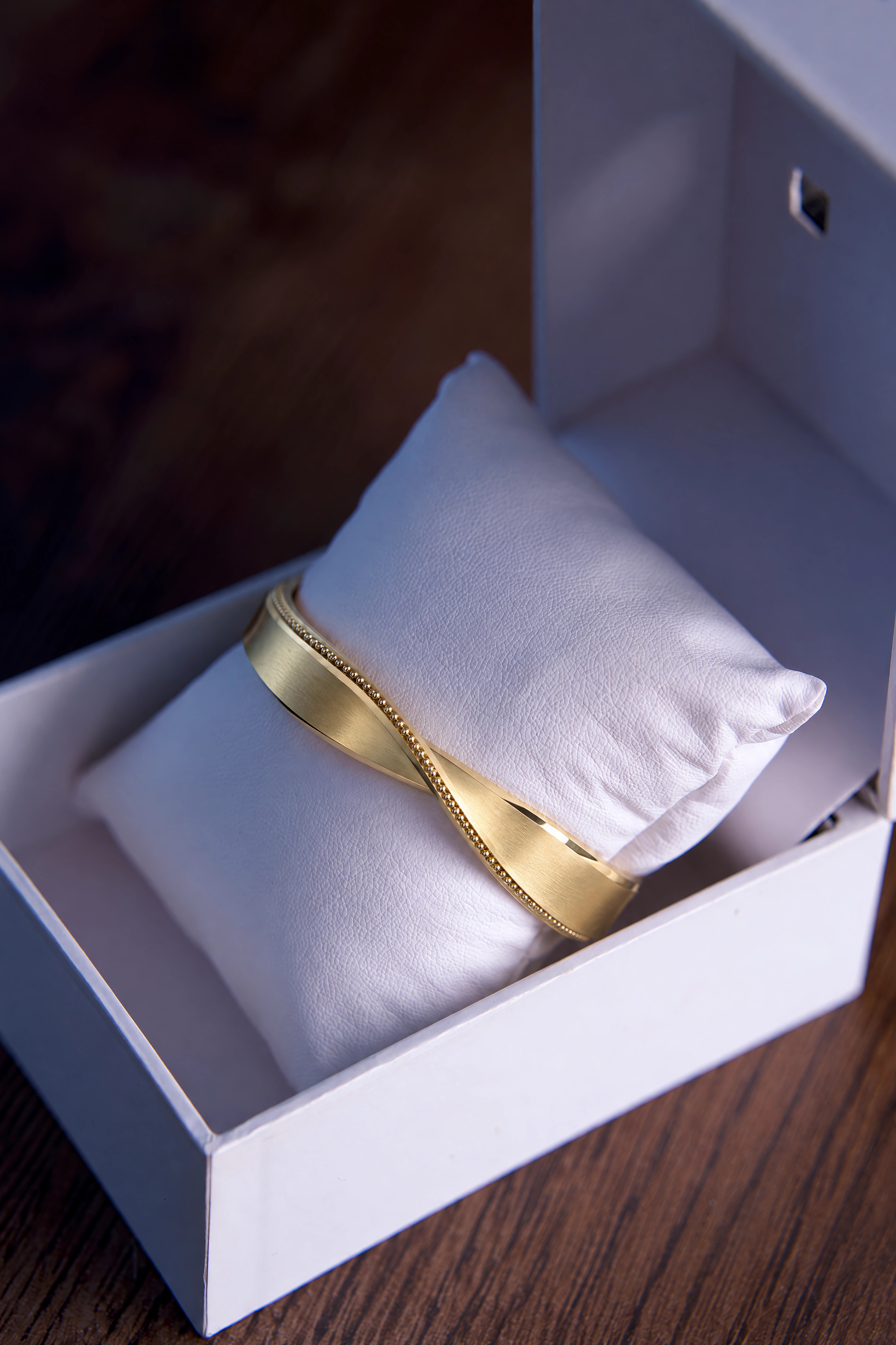
Every VÉRA piece arrives in a recycled-card box with a cotton pouch and a care card. The pouch is designed for everyday storage and travel, so keep it. If you notice a loose stone, a stretched link or a weak clasp while putting jewelry away, bring the piece to our New York studio for a free cleaning and claw check, or write to care@verafinejewelry.store.