Why gold jewelry looks dull
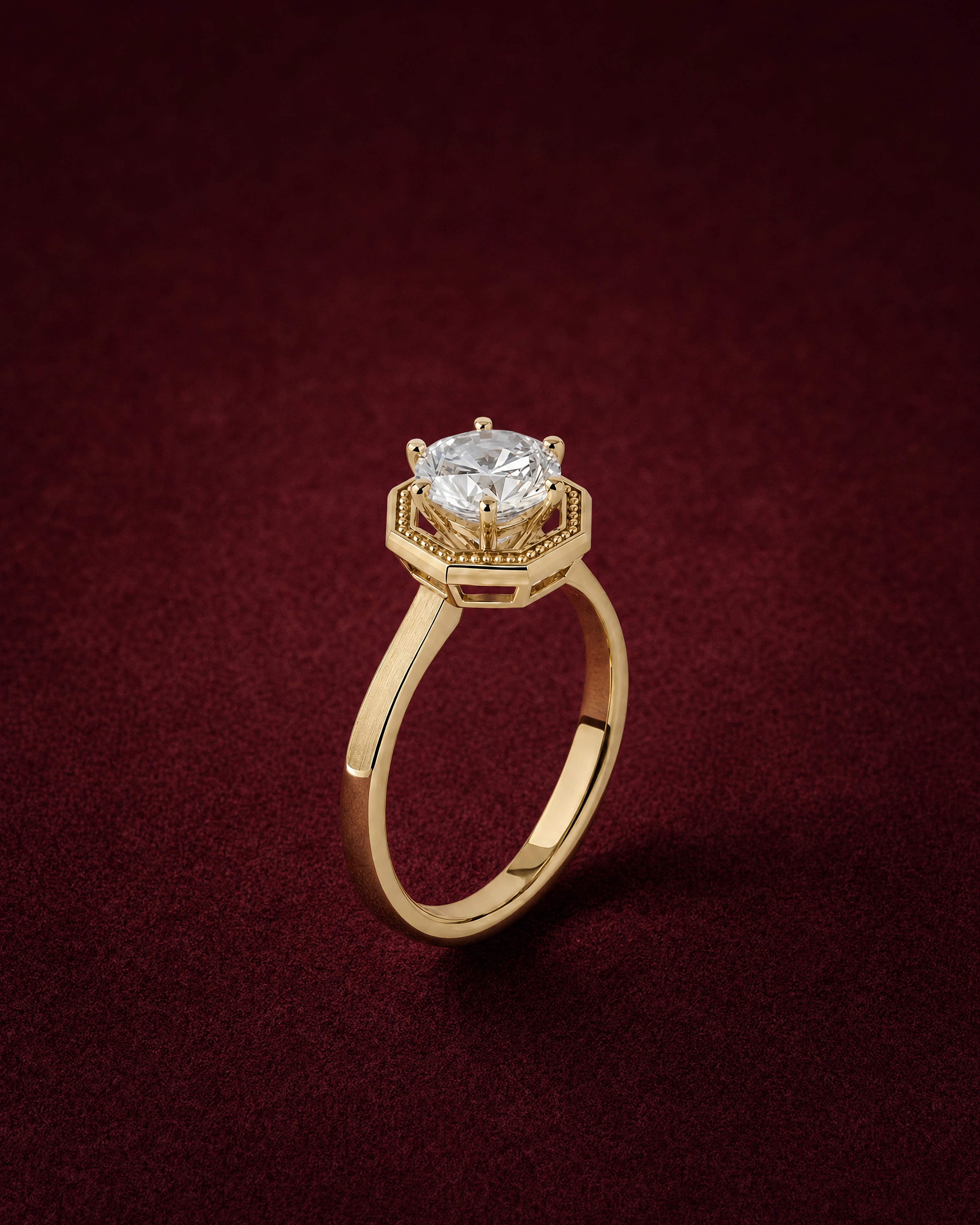
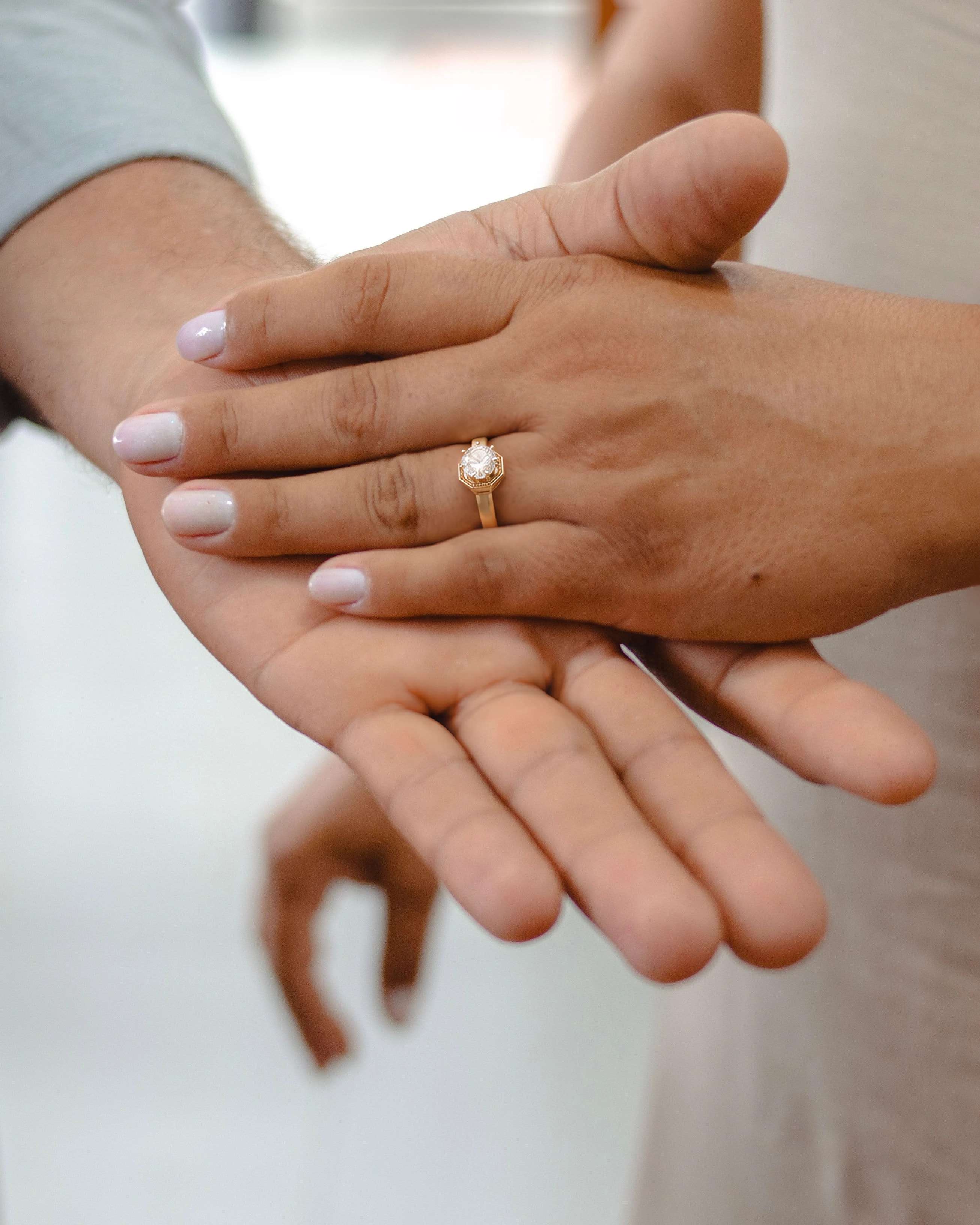
Solid gold does not rust, and 14k and 18k gold do not tarnish the way silver does. When a gold piece loses its glow, the cause is almost always a thin film on the surface: skin oils, soap, lotion, sunscreen, hair products and everyday dust. On stone-set pieces, that film collects behind the stone, where it blocks light and makes diamonds and sapphires look grey and flat.
This film builds up slowly, so most people do not notice it until they see a freshly cleaned piece next to one they wear every day. The good news is that it comes off easily with the right method.
The basic method for gold, diamonds and sapphires
This is the method we recommend for plain gold and for gold set with diamonds or sapphires. It takes about 20 minutes, most of which is soaking time.
- Fill a small bowl with warm water. It should feel comfortable on your hand, not hot.
- Add a few drops of mild, unscented dish soap and stir.
- Place the jewelry in the bowl and let it soak for 10 to 15 minutes to loosen the film.
- Brush gently with a soft toothbrush, paying attention to the back of stone settings, the inside of rings and the links of chains.
- Rinse in a second bowl of clean warm water, or under a tap with the drain closed.
- Dry with a soft, lint-free cloth, then leave the piece on the cloth for an hour so water can drain from settings and links.
Stones that need a gentler approach
Not every gemstone tolerates soaking and brushing. Diamonds, with a hardness of 10 on the Mohs scale, and sapphires, at 9, are hard and stable enough for warm soapy water. Emeralds and pearls are different, and the method should change for any piece that includes them.
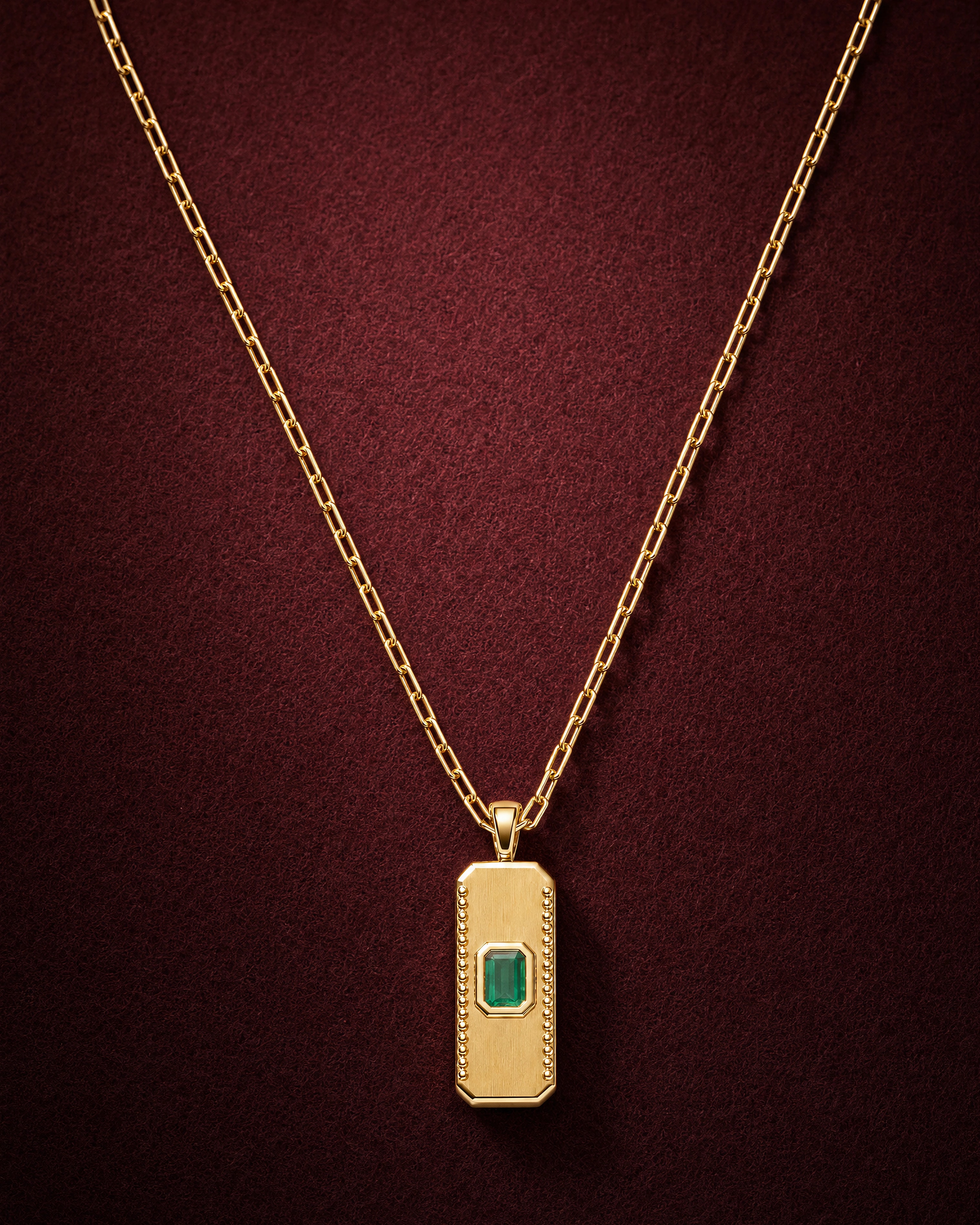
Emeralds are naturally included, and nearly all emeralds on the market are treated with oil or resin to improve clarity. Heat, steam and ultrasonic vibration can push that filler out or widen existing fractures. Clean emerald pieces with room-temperature water and a drop of mild soap, brush only the metal, and rinse briefly.
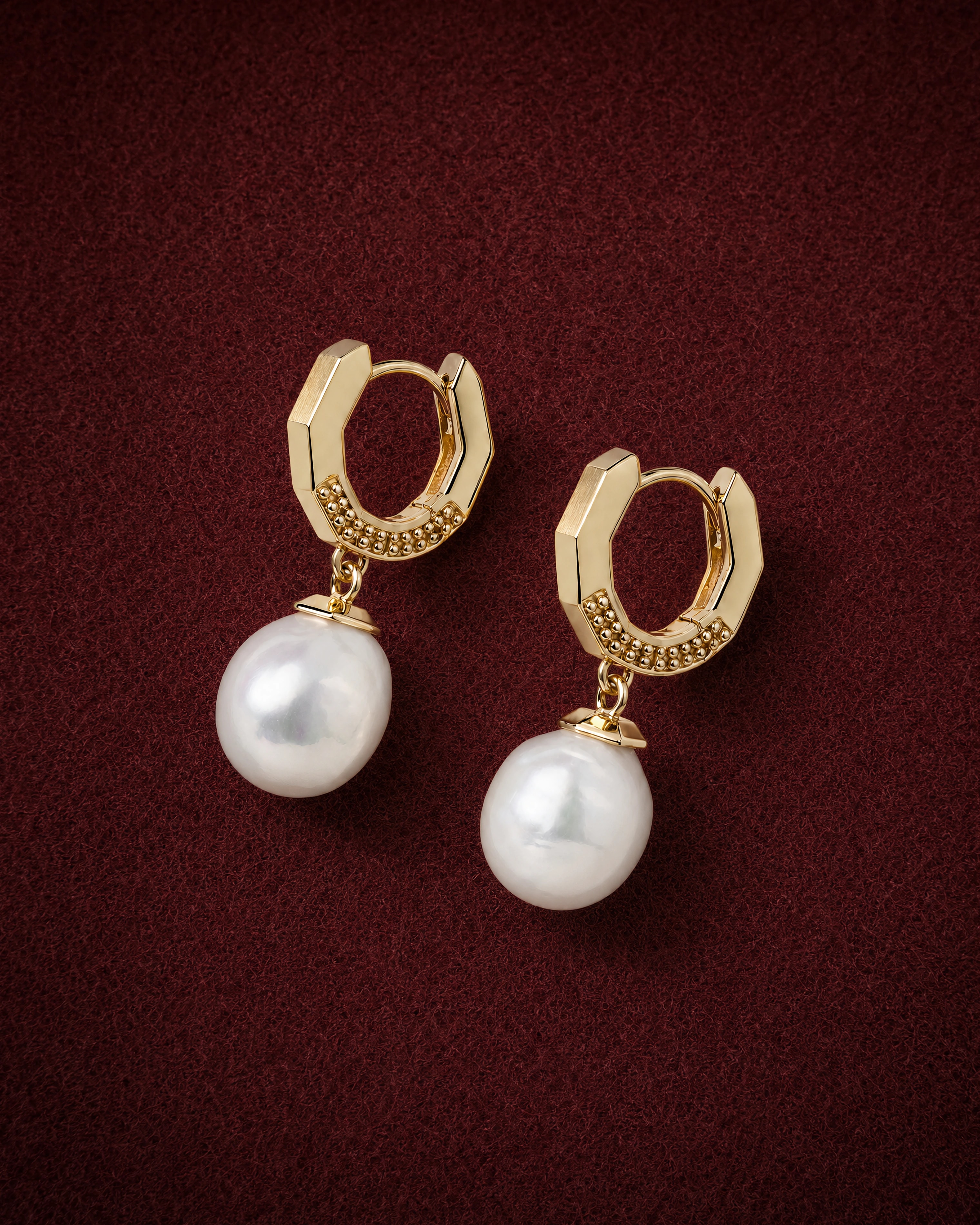
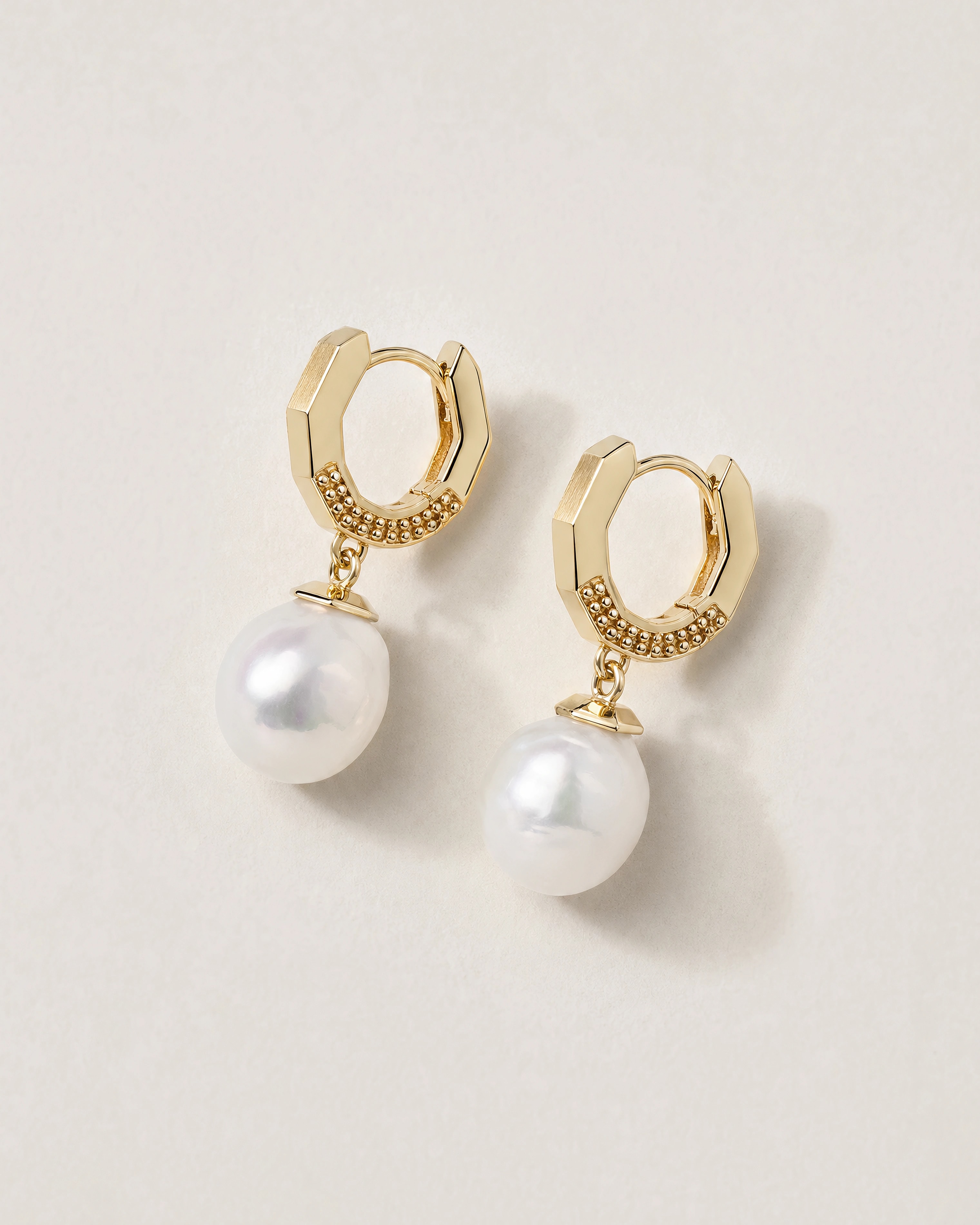
Pearls are organic and soft, between 2.5 and 4.5 on the Mohs scale. Soap residue, acids and water absorbed through the drill hole can dull their luster and weaken the silk or fittings that hold them. Wipe pearls with a soft, slightly damp cloth after wearing, then let them dry flat. Never soak them.
What to avoid
Many household cleaning tips that circulate online do more harm than good to fine jewelry. Gold is relatively soft, and the scratches these methods leave are permanent until the piece is polished by a professional.
- Toothpaste and baking soda. Both are abrasive and leave fine scratches on gold.
- Bleach and chlorine. They can attack the alloy metals in gold and, over time, cause brittleness and cracking at solder joints.
- Ammonia, vinegar and lemon juice on pearls or emeralds.
- Silver dips and polishing cloths treated for silver. They are made for a different metal.
- Paper towels and tissues. Their fibers are rougher than they feel and can scratch high-polish surfaces.
- Boiling water, which can shock some stones and damage organic materials.
Ultrasonic and steam cleaners at home
Ultrasonic cleaners use high-frequency vibration in a liquid bath to shake dirt loose. They work well on solid gold and on diamonds in secure settings. They are not suitable for emeralds, pearls, or any stone with visible fractures or fillers, and they can loosen stones whose settings are already worn.
If you own an ultrasonic, check each stone-set piece for movement before and after cleaning. Hold the piece close to your ear and tap it gently: a loose stone often makes a faint rattle. Steam cleaners carry similar risks and are best left to a jeweler who can inspect the piece first.
How often to clean
A ring you wear every day benefits from a quick soak and brush once a week and a more careful clean once a month. Earrings and necklaces that do not touch hand cream or soap can go longer. Wipe pieces with a soft cloth when you take them off, which removes most of the oils before they build up.
Cleaning at home is also a good moment to inspect your jewelry. Look at the prongs or claws around each stone under good light. Prongs should sit tight against the stone, with no gaps, flattening or catching on fabric. Check that clasps close firmly and that chain links are not stretched.
When to bring it to a professional
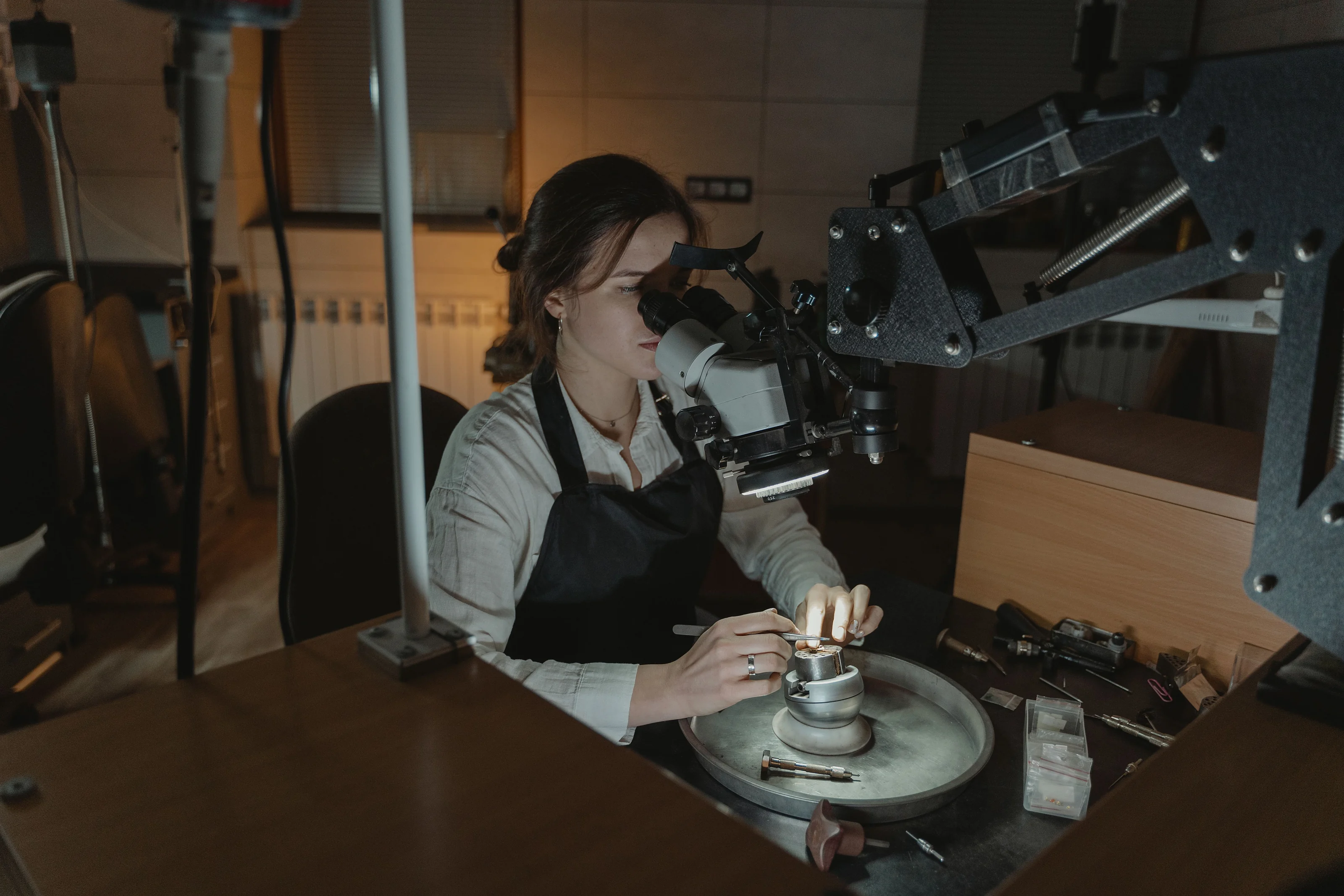
A professional clean goes further than home methods. A goldsmith can inspect settings under magnification, tighten claws, check solder joints and polish out light scratches. For rings worn every day, we suggest a professional check once or twice a year.
Every VÉRA piece includes free professional cleaning and a claw check at our New York studio for life. Book an appointment at 52 Greene Street, Studio 3F, Tuesday to Saturday from 11:00 to 18:00, or contact care@verafinejewelry.store. If we find a manufacturing defect within two years of purchase, it is covered by our warranty.