Hardness and toughness
The Mohs scale ranks minerals from 1 to 10 by which can scratch which. It is a relative scale, not an even one: diamond at 10 is several times harder than sapphire at 9. The number that matters most for jewelry is 7, because ordinary household dust contains quartz, which sits at 7. Stones softer than 7 slowly lose their polish and sharp facet edges with everyday contact.
Hardness is only half the picture. Toughness describes how well a stone resists chipping and breaking when knocked. Diamond is the hardest natural material but can still chip along its cleavage planes if struck at the wrong angle. Emerald is fairly hard but less tough, because most emeralds contain natural inclusions and fractures. Sapphire is both hard and tough, which is one reason it is so widely used in rings.
Gemstones compared for everyday wear
The table below compares the four stones we work with at VÉRA alongside a few others you are likely to see when shopping. Suitability assumes a ring worn daily, the most demanding use. Earrings and pendants take far less wear, so softer stones are often perfectly practical there.
| Stone | Mohs hardness | Toughness | Everyday ring suitability |
|---|---|---|---|
| Diamond | 10 | Good, can chip at edges | Excellent |
| Sapphire | 9 | Excellent | Excellent |
| Ruby | 9 | Excellent | Excellent |
| Emerald | 7.5–8 | Fair to poor | Good with a protective setting and care |
| Amethyst | 7 | Good | Good, may show wear over years |
| Tanzanite | 6–6.5 | Fair | Occasional wear |
| Opal | 5.5–6.5 | Poor | Occasional wear |
| Pearl | 2.5–4.5 | Good, but soft | Occasional wear, better in earrings and pendants |
The four stones we use, in brief
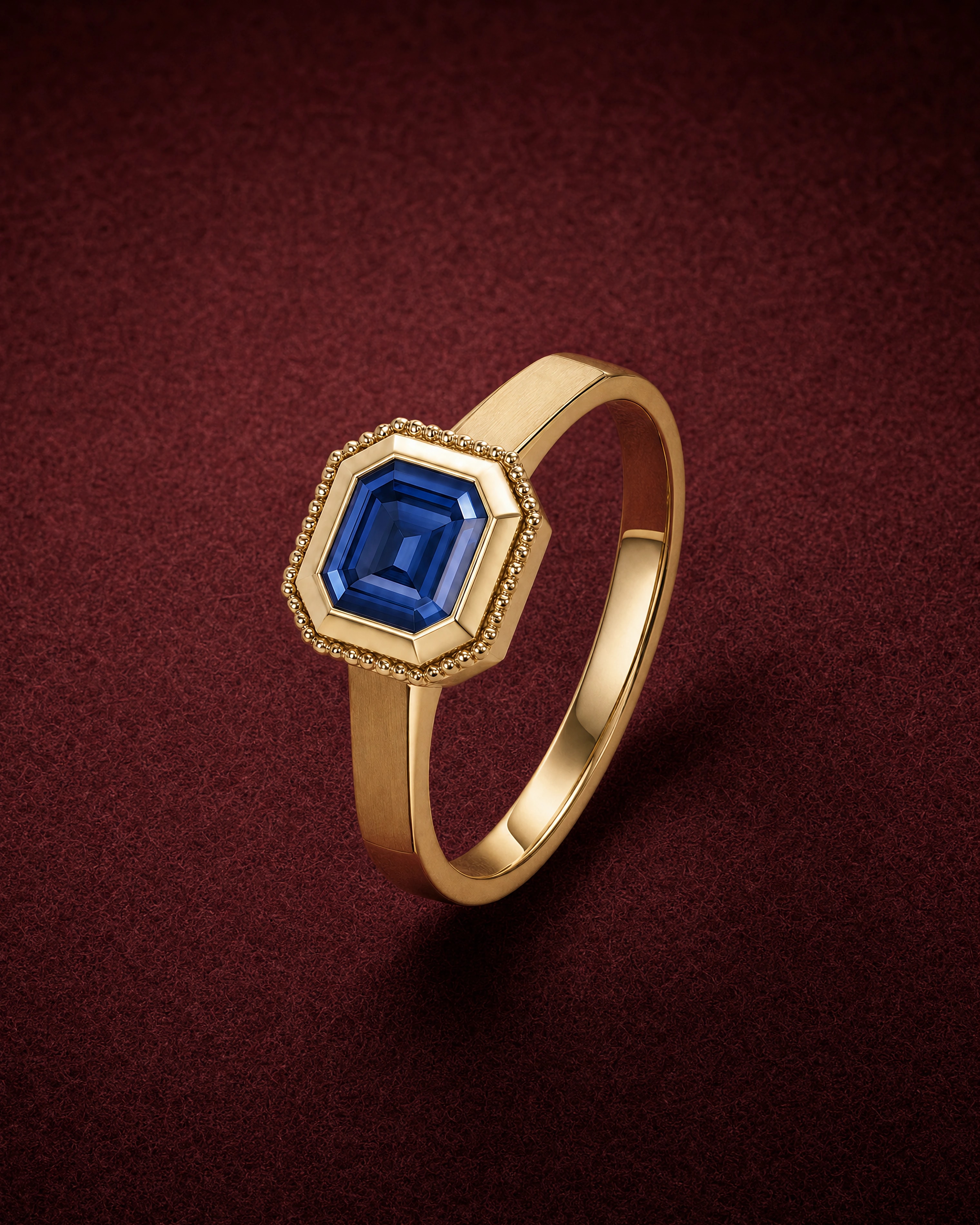
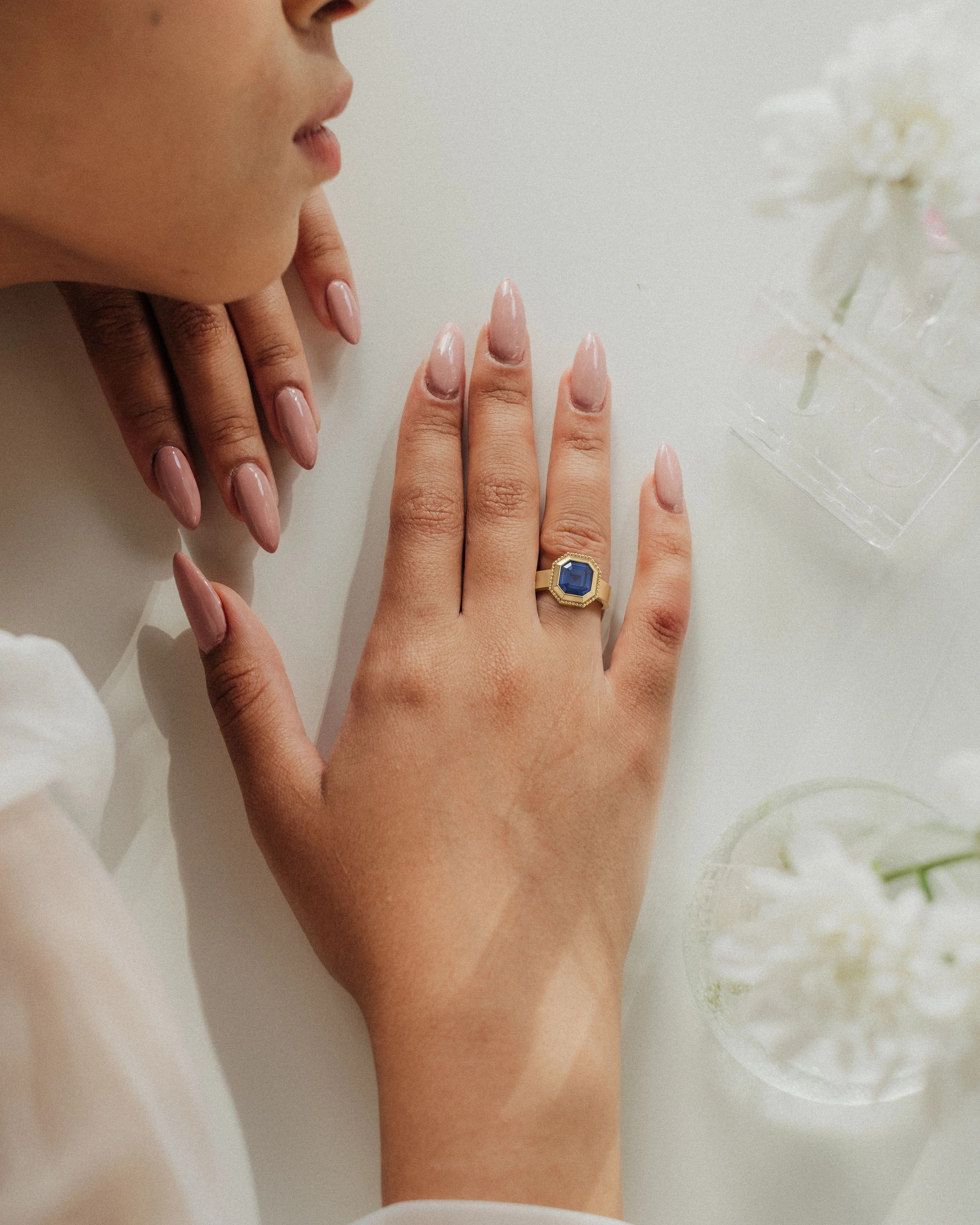
Sapphire is corundum, the same mineral as ruby. Blue is the best known color, but sapphires also occur in pink, yellow, green and colorless varieties. Heat treatment to improve color and clarity is common and stable. Sapphire is one of the most practical stones for a ring worn every day, which is why we use it in the Lune Sapphire Ring.
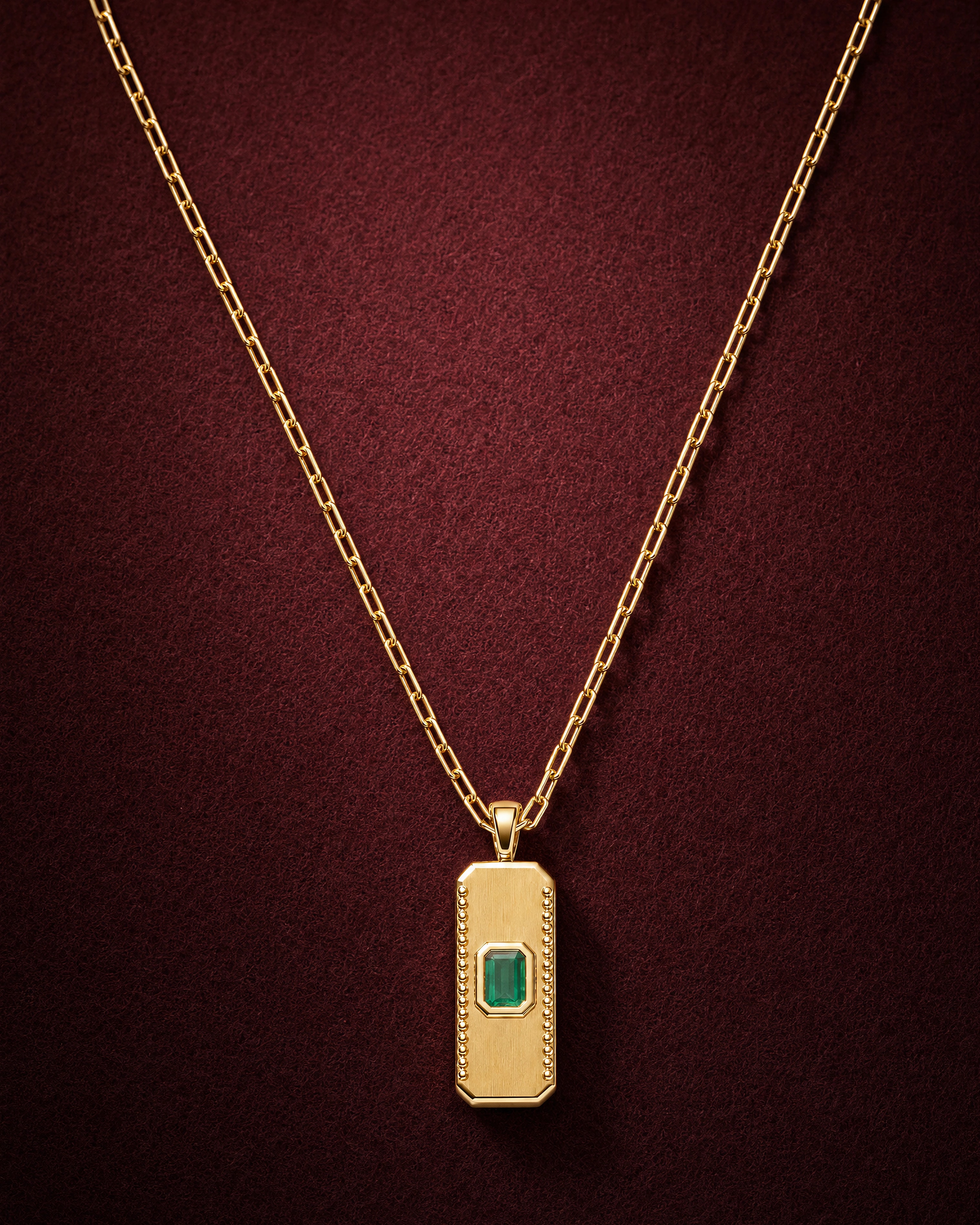
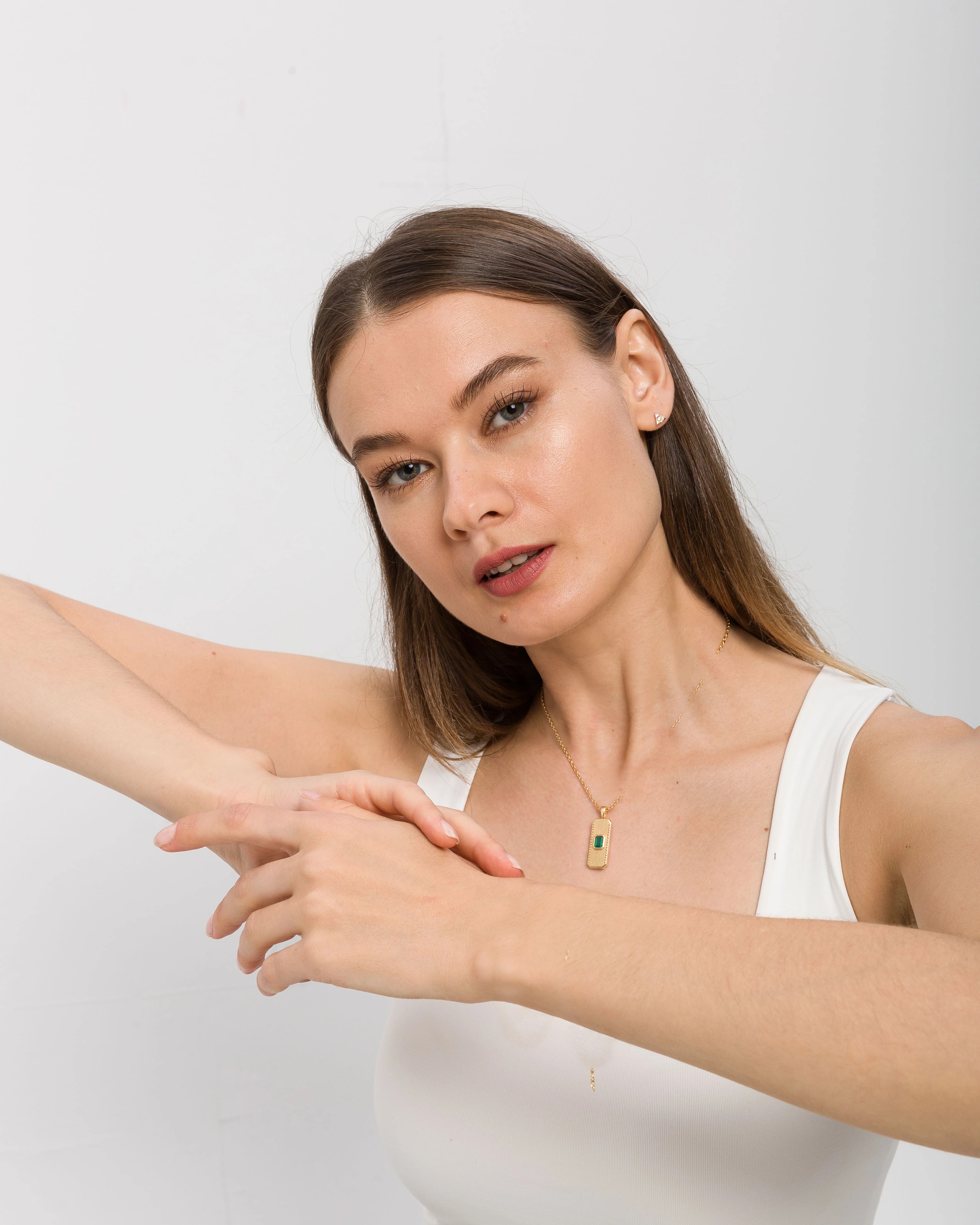
Emerald is a green variety of beryl. Inclusions are normal and expected, and a completely clean emerald is rare. Most emeralds are treated with oil or resin to make fractures less visible. Emeralds need gentler care: no ultrasonic cleaning, no steam and no hot water. A pendant such as the Emerald Bar Pendant keeps the stone away from knocks.
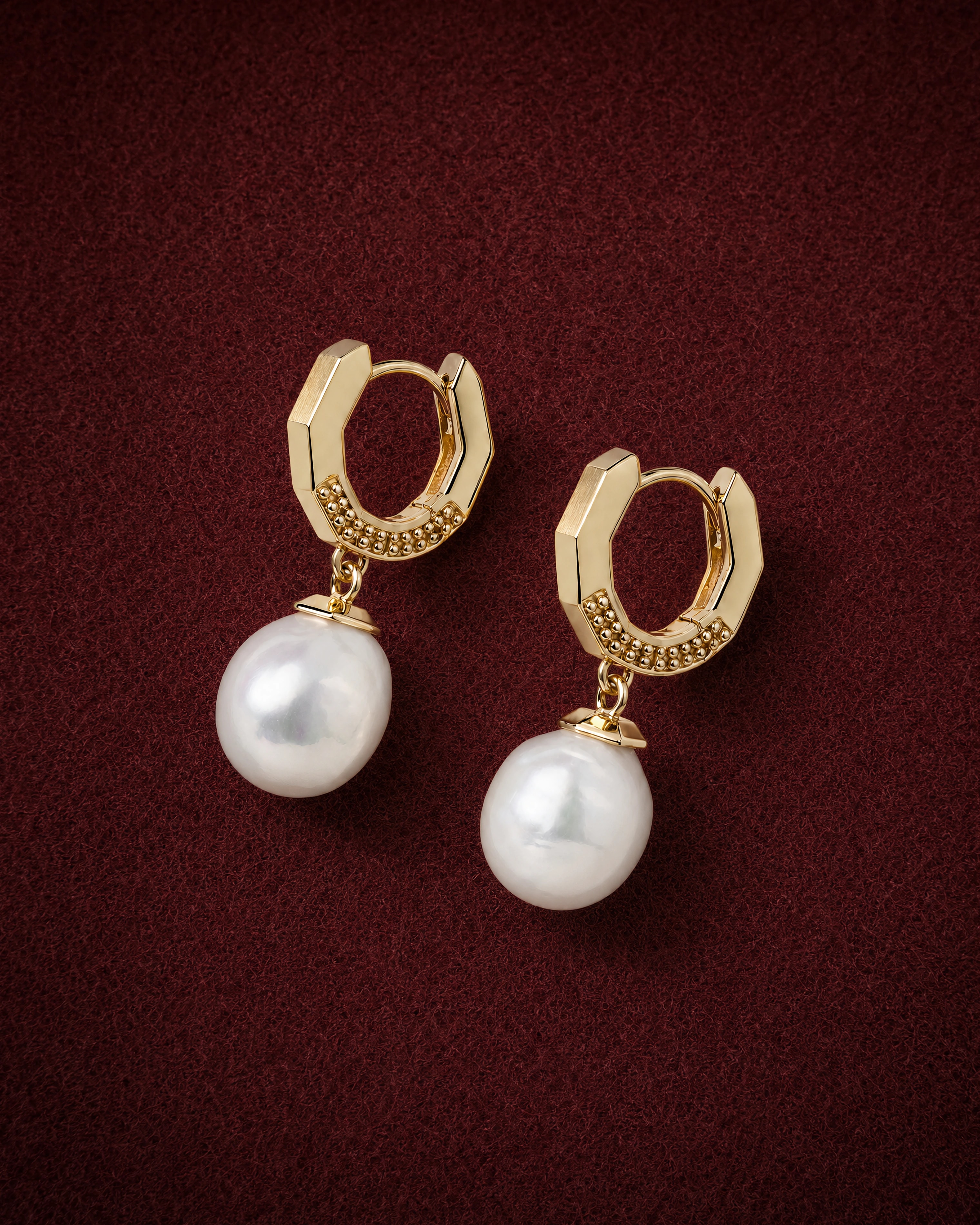
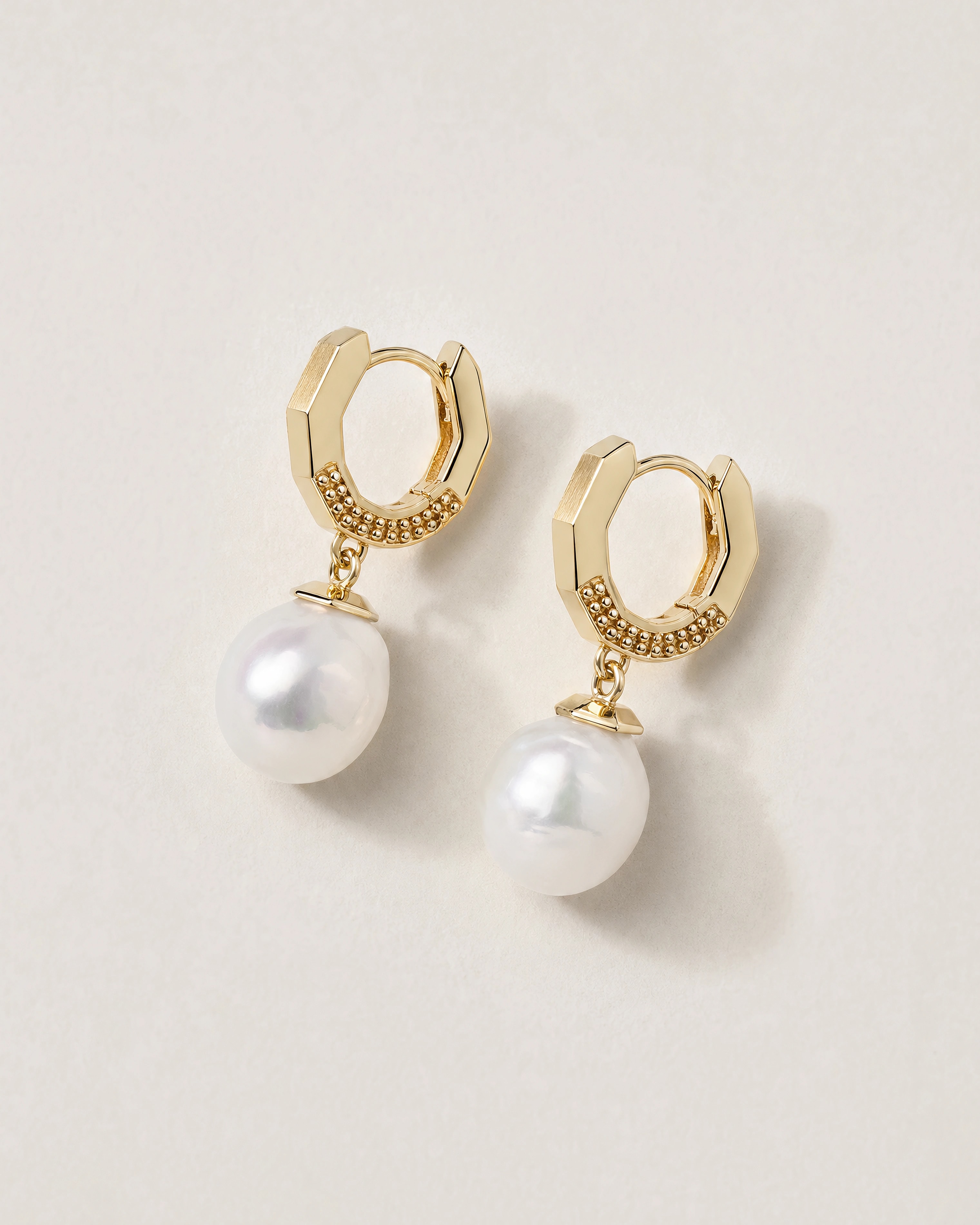
Freshwater pearls grow in mussels and are almost always cultured. They are soft and sensitive to acids, perfume and cosmetics, so they belong on earrings and necklaces more than rings, and should be the last thing you put on and the first you take off.
Diamond is the hardest natural gem. Its quality is described by the four Cs: cut, color, clarity and carat weight. At VÉRA, diamonds of 0.50 ct and above come with a GIA grading report, and smaller diamonds are G to H color and VS clarity.
Ask about treatments
Treatment is not a flaw in itself. Many treatments, such as heating sapphires or oiling emeralds, are long-standing and widely accepted. What matters is that you know about them, because some treatments affect care and value. An oiled emerald, for example, can lose some of its clarity if exposed to heat or solvents.
- Has this stone been treated, and if so, how?
- Is the treatment stable, and does it change how I should clean the piece?
- Is there a report from an independent laboratory?
- Is the stone natural or laboratory-grown?
- What happens if the stone is lost or damaged?
Settings that protect a stone
The setting is the part of a piece that holds the stone, and it has as much effect on durability as the stone itself. A bezel setting, where a rim of gold surrounds the stone, protects edges and corners from knocks. Prong settings let more light into the stone but leave edges exposed, and taller prongs catch more easily on clothing.
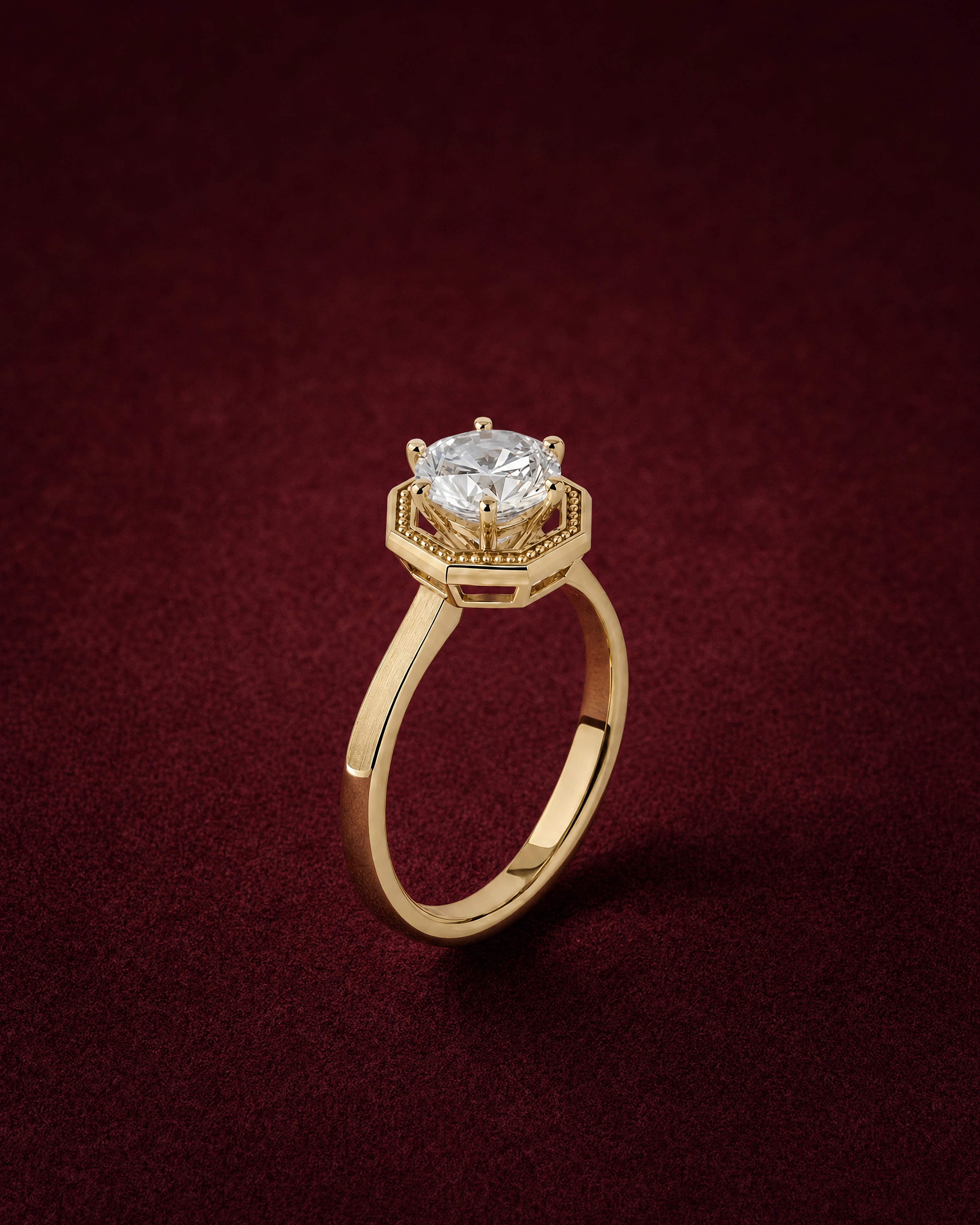
For softer or less tough stones, look for bezels, recessed settings or designs that keep the stone close to the metal. For pointed shapes, such as marquise and pear, check that the points are covered by a prong or a V-shaped tip. On any prong setting, ask how many prongs hold the stone. Six prongs offer more security than four if one is damaged.
Documentation worth keeping
For significant stones, an independent grading report describes the stone in detail and helps with insurance and future resale. GIA, the Gemological Institute of America, is the most widely recognized laboratory for diamonds. Keep the report with your receipt and a clear photograph of the piece.
For smaller stones, a report usually costs more than it is worth, and the seller's written description should state the stone type, approximate weight and grade range. Keep that description, too.
Care decides how long a stone looks its best
Every stone benefits from the same basic habits: put jewelry on after lotions and perfume, take rings off for the gym, swimming and gardening, and store pieces separately so harder stones do not scratch softer ones. Beyond that, care depends on the stone. Diamonds and sapphires can be cleaned in warm, soapy water. Emeralds need room-temperature water and no ultrasonic cleaning. Pearls should only be wiped with a soft cloth.
VÉRA offers free professional cleaning and claw checks at our New York studio for life, which is the simplest way to make sure stones stay secure.