What karat actually measures
Karat is a ratio, not a weight. Pure gold is defined as 24 karat, so each karat represents one twenty-fourth of the metal. A 14k ring is 14 parts gold and 10 parts other metals. An 18k ring is 18 parts gold and 6 parts other metals.
Pure gold is too soft for most jewelry. It bends, dents and scratches easily, and fine details wear away quickly. Goldsmiths mix it with other metals, usually silver, copper and zinc, and for white gold, metals such as palladium or nickel. The mix is called an alloy, and the choice of alloy metals controls both the color and the hardness of the finished piece.
Karat is not to be confused with carat, which is a unit of weight for gemstones. One carat equals 0.2 grams.
Gold purity compared
The table below shows the karats you are most likely to see in fine jewelry, with their gold content and the stamp used to mark them. The three-digit stamp is the gold content in parts per thousand, which is why 18k is marked 750.
| Karat | Gold content | Stamp | Color | Everyday durability |
|---|---|---|---|---|
| 10k | 41.7% | 417 | Pale yellow | Very hard, the minimum karat that can be sold as gold in the US |
| 14k | 58.5% | 585 | Warm, soft yellow | Hard and scratch-resistant, well suited to daily wear |
| 18k | 75% | 750 | Rich, deep yellow | Softer than 14k, wears well with normal care |
| 22k | 91.6% | 916 | Saturated orange-yellow | Soft, shows scratches and dents easily |
| 24k | 99.9% | 999 | Bright orange-yellow | Very soft, rarely used for rings |
How karat changes color
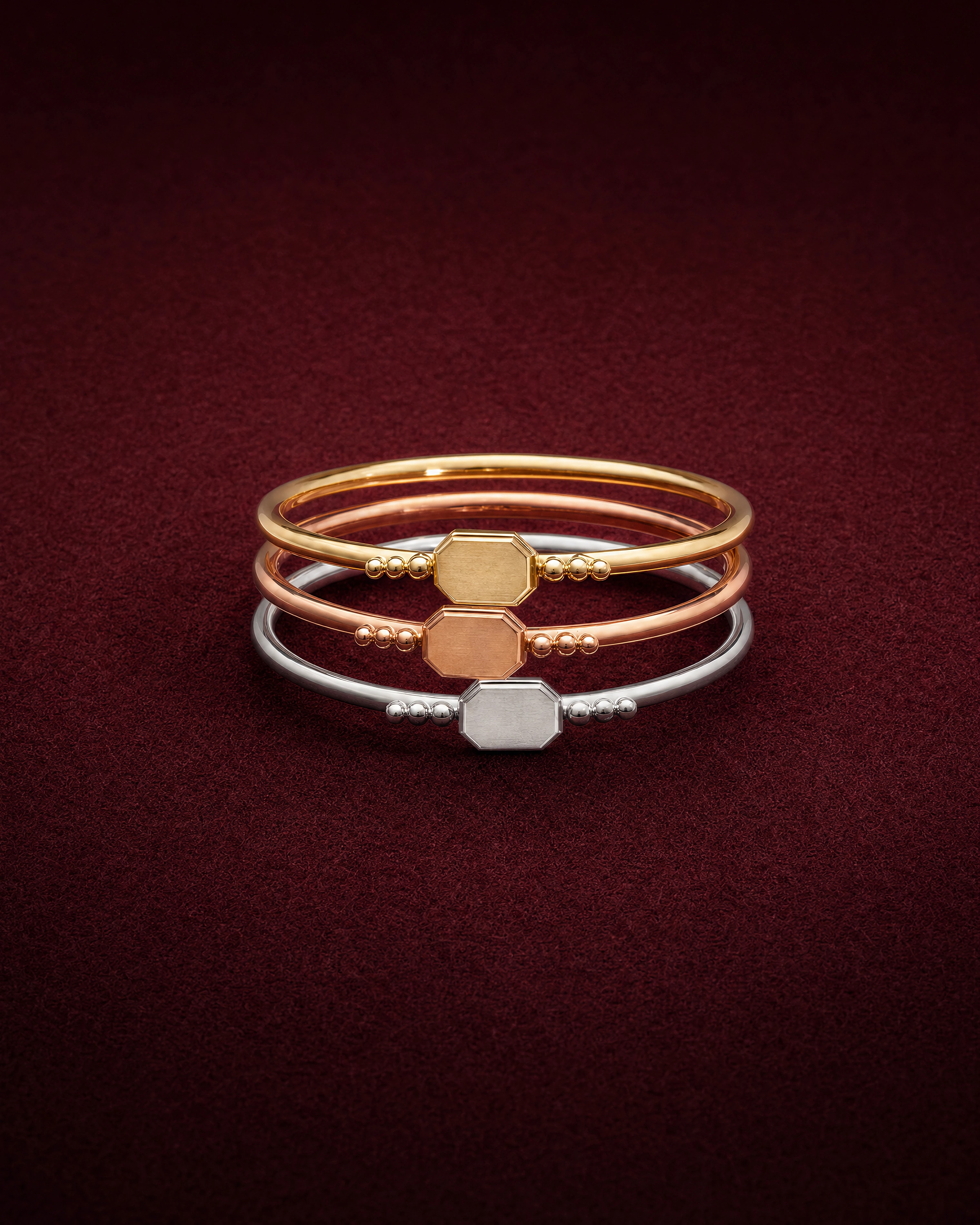
The higher the karat, the more the color is driven by gold itself. 18k yellow gold has a deeper, warmer tone than 14k yellow, which reads slightly paler and brighter. Side by side the difference is easy to see. On its own, most people find both attractive.
Rose gold gets its pink tone from copper. Because 14k contains more alloy metal, 14k rose gold usually looks pinker than 18k rose, which keeps more of the yellow warmth of gold. White gold uses white metals in the alloy to draw the color toward a soft grey-white. With more gold in the mix, 18k white gold can carry a faint warm tint.
If you plan to wear new pieces next to rings or chains you already own, compare karats as well as color names. A 14k yellow chain and an 18k yellow chain are both yellow gold, but they will not be an exact match.
Hardness and everyday wear
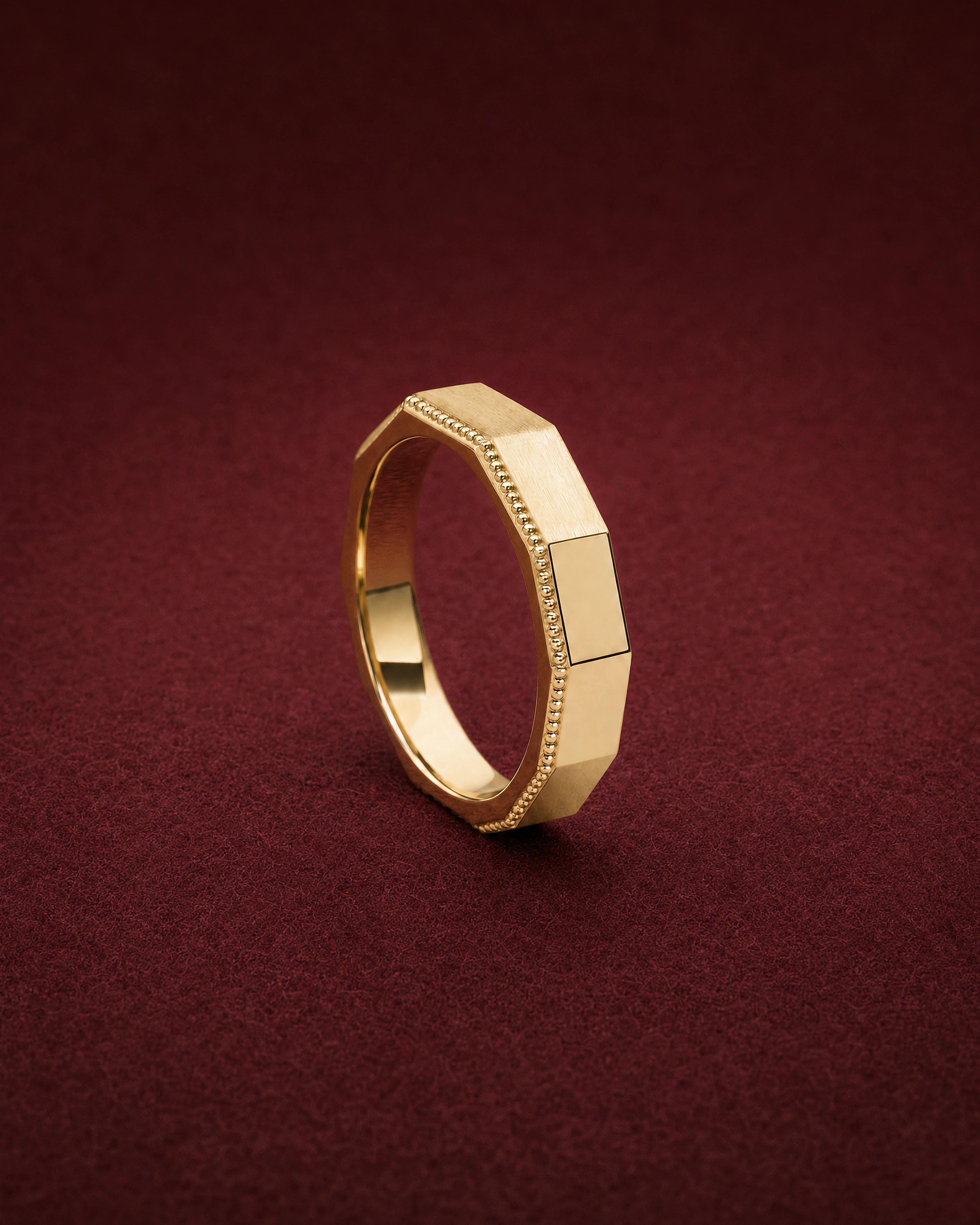
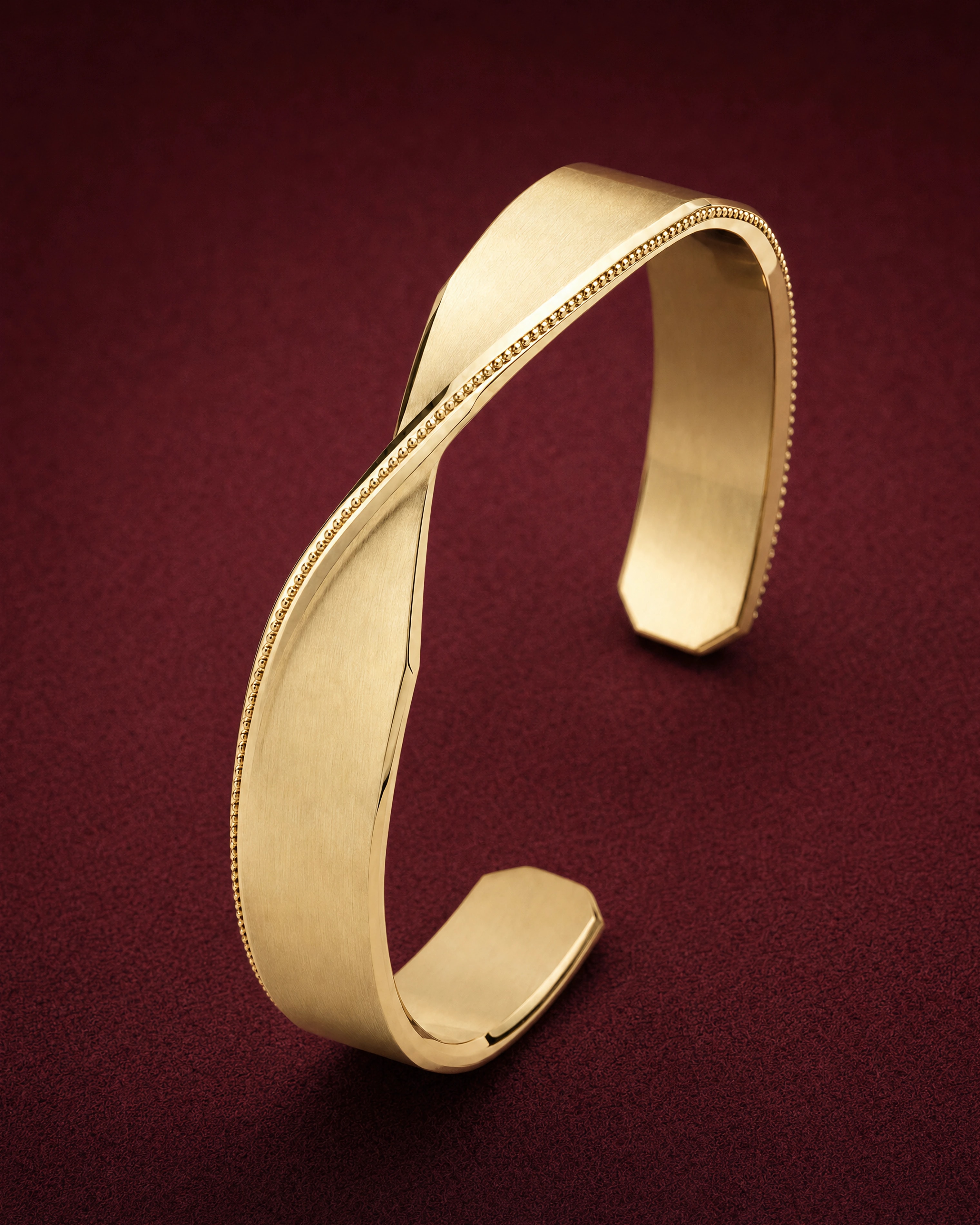
Because it contains more alloy metal, 14k gold is harder than 18k. In practice, that means 14k rings and bracelets keep their polish a little longer and resist small dents from desks, handrails and door handles. This is why 14k is the most common choice for wedding bands and pieces worn every day in the US.
18k is still a durable working metal. It has been used for fine jewelry for centuries, and with sensible care an 18k ring will last a lifetime. You may simply see fine surface scratches sooner, which soften into a satin patina over time. Many people like that patina. If you do not, a professional polish restores the finish.
- Choose 14k for rings worn daily with your hands busy, for bracelets, and for thin chains.
- Choose 18k for earrings, pendants and pieces where color matters most.
- For stone-set rings, the setting design matters as much as the karat. Ask how the stone is held.
Skin sensitivity
Gold itself rarely causes skin reactions. When reactions happen, they are usually caused by the other metals in the alloy, most often nickel, which some white gold alloys contain. Higher karat gold contains less alloy metal overall, so people with sensitive skin often do better with 18k.
If you have a known nickel allergy, ask the jeweler what metals are in the alloy before you buy white gold, and keep the piece clean, since soap residue trapped under a ring can also irritate skin.
Price and value
The price difference between 14k and 18k comes mainly from the gold content. A piece in 18k contains about 28% more gold than the same piece in 14k, and gold is denser than most alloy metals, so the 18k version also weighs a little more. Labor is the same for both.
As an example from our own catalog, the Thread Stacking Ring in 14k is $290 and the wider Orra Band in 18k is $640. The design and weight differ as well, so karat is only one part of the price. When you compare pieces from different makers, ask for the gold weight in grams alongside the karat.
How to check the karat of a piece
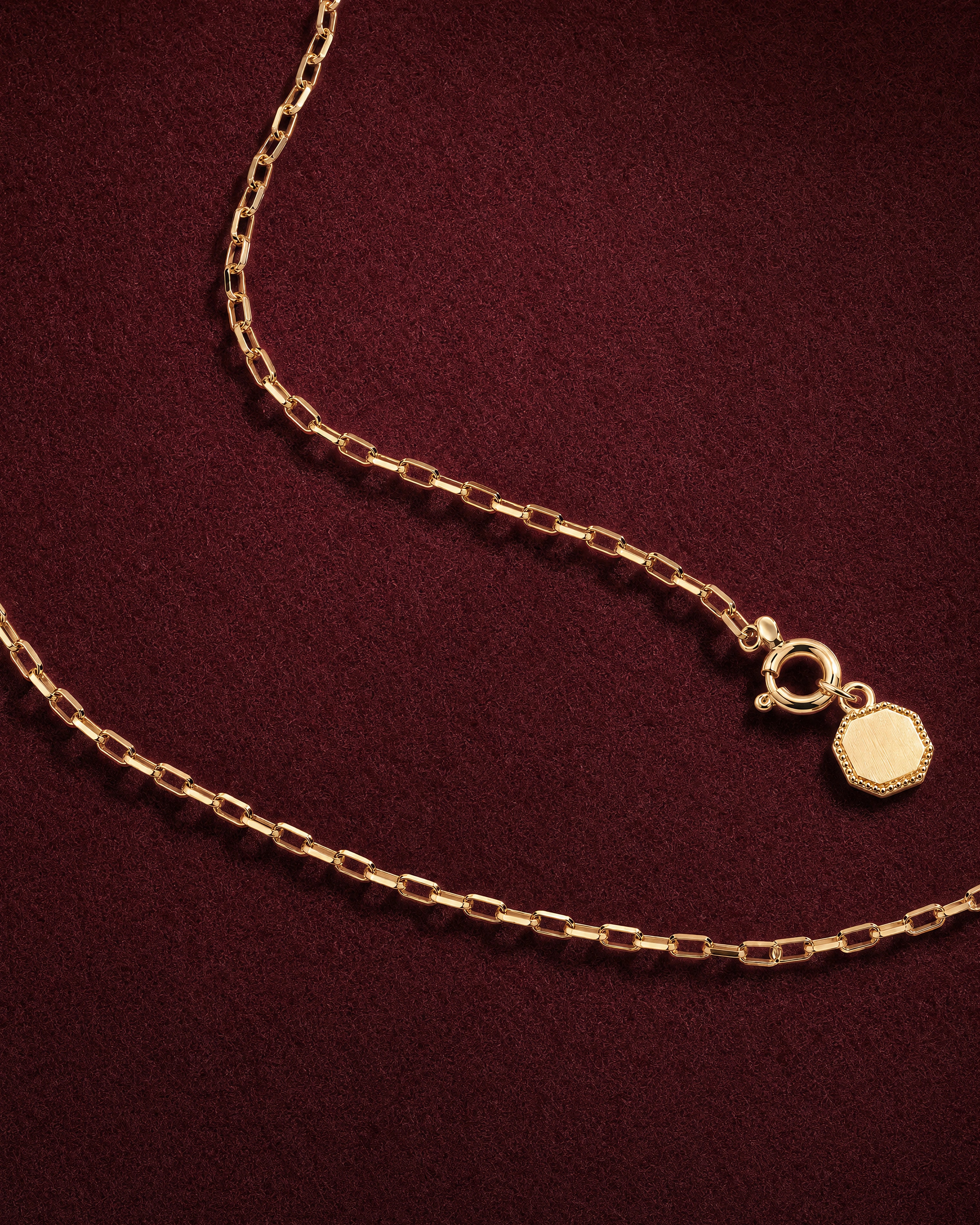
Solid gold jewelry is usually stamped with its karat or fineness on an inconspicuous surface: inside a ring band, on a clasp, or on an earring post. Look for 14k, 14kt or 585, or 18k, 18kt or 750. A magnifier helps, since stamps are small.
Be cautious with marks such as GP, GF, HGE or vermeil next to a karat number. These indicate gold plating or gold fill over another metal, not solid gold. Every VÉRA piece is solid 14k or 18k gold, stamped 585 or 750, made from recycled gold in our New York studio. We do not make plated, vermeil or sterling silver pieces.